Polar Bears, Snow Leopards & The Tundra Trek Pavilion
Canada's signature cold-climate pavilion combines the largest indoor polar bear habitat in any North American zoo with a dedicated snow leopard overlook and Arctic fox viewing.
Toronto Zoo spreads across 710 acres of Rouge Valley — one of the largest zoological collections in North America. This guide walks you through the six pavilions, the seasonal animal moments worth planning around, and the practical logistics that make a family visit run smoothly.
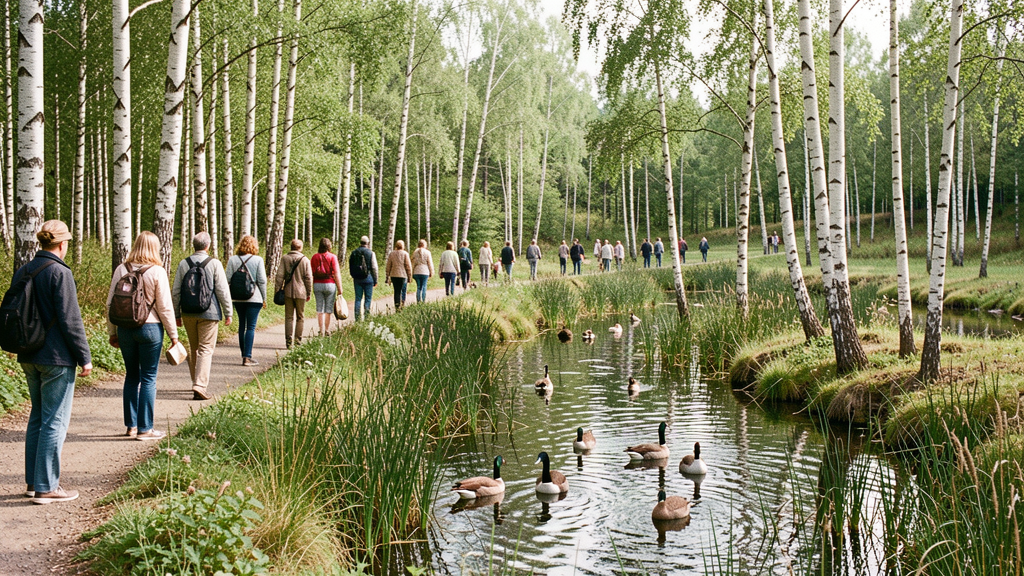
Opened in 1974 and operated by the Toronto Zoo Board of Management, the property blends indoor pavilions, expansive outdoor paddocks, and walking bridges that connect biome zones. Unlike traditional walk-through zoos, the layout is divided into Indo-Malaya, Africa, Americas, Tundra Trek, the Canadian Domain, and Eurasia — a geographic organising principle that groups animals by the ecosystems they evolved in.
The Canadian Domain, added in 2019, doubles as a conservation education centre for woodland caribou, bison, and wolverines native to the boreal shield — programs that pair visitors with active breeding projects for species classified as threatened or endangered in the wild.
Eight pieces spanning the must-see pavilions, family-friendly keeper talks, the splash pads that turn a July visit into a half-day event, and the conservation programs visitors can support at the gate.
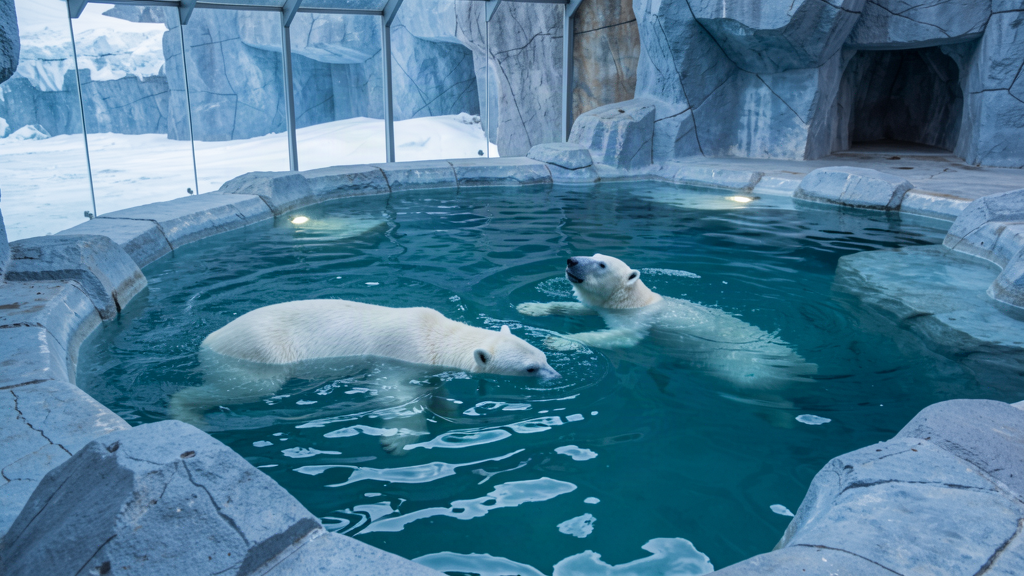
Canada's signature cold-climate pavilion combines the largest indoor polar bear habitat in any North American zoo with a dedicated snow leopard overlook and Arctic fox viewing.
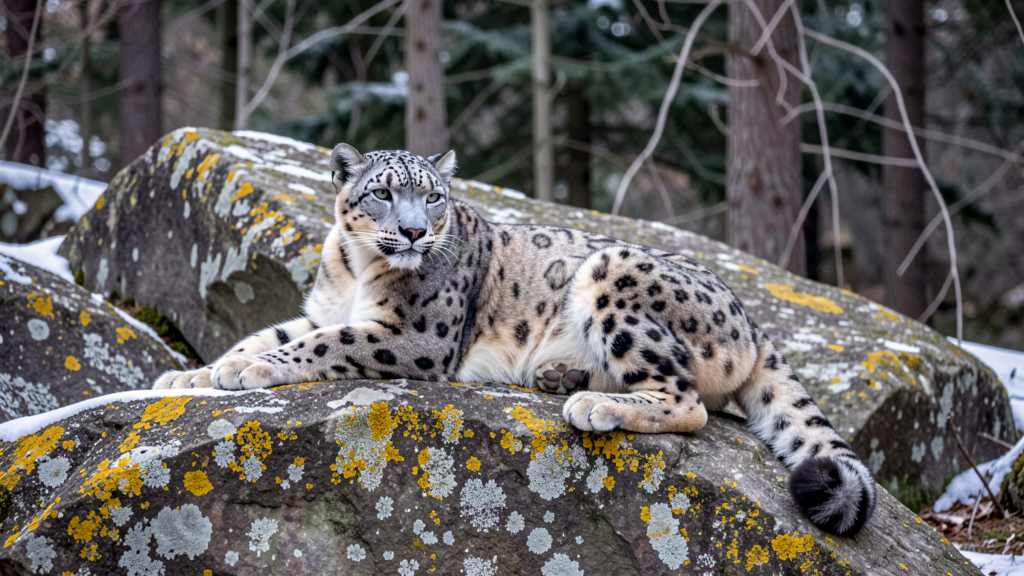
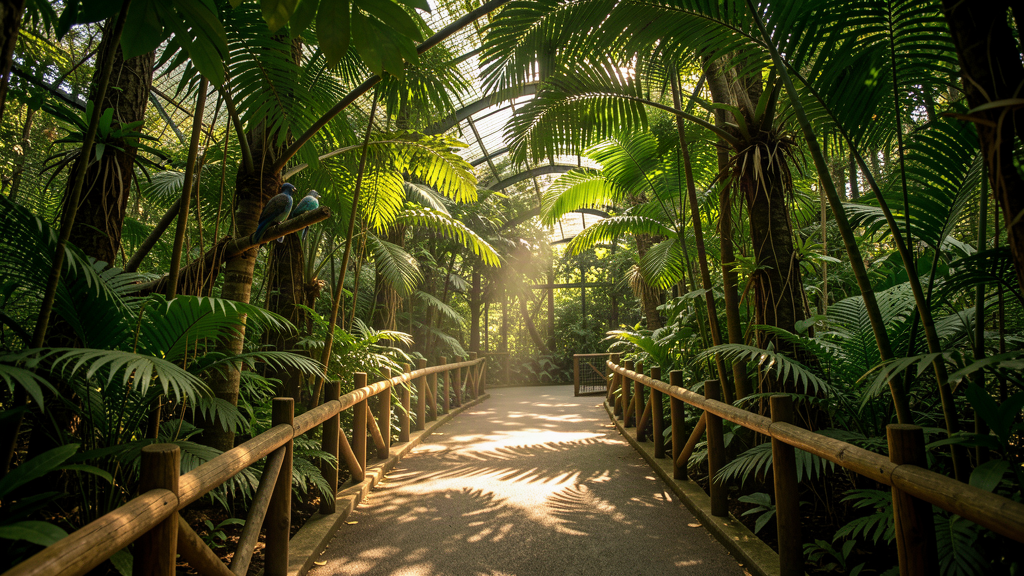
Toronto is home to one of a small handful of Canadian zoos displaying Komodo dragons, alongside a multi-level orangutan boardwalk that climbs through the pavilion canopy.
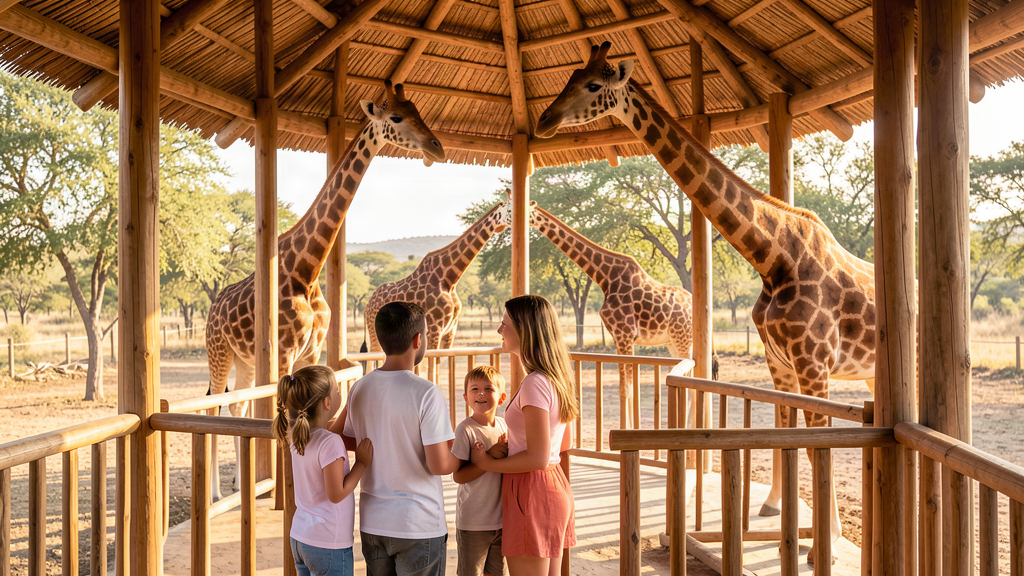
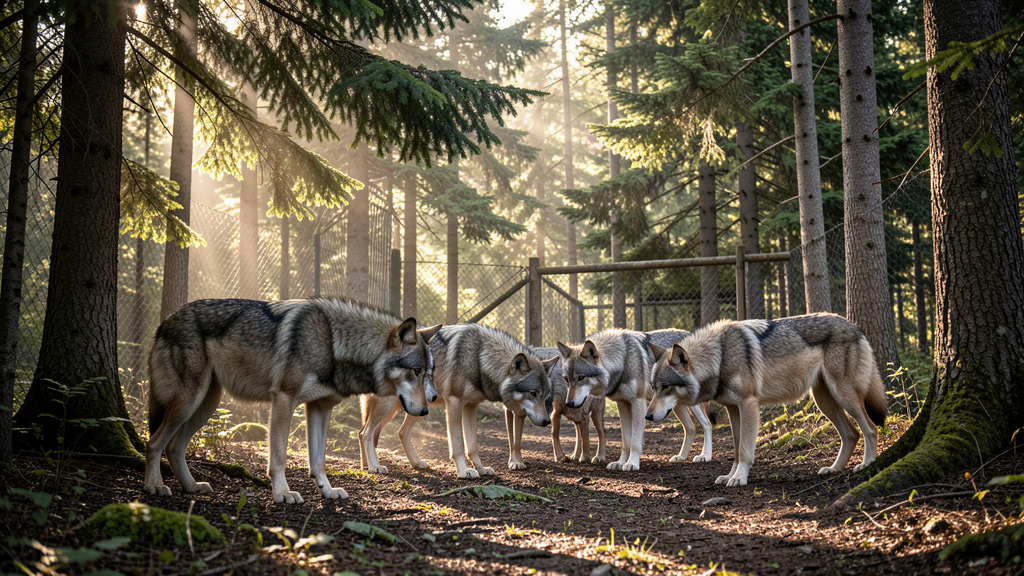
The Americas Pavilion brings together North and South American species across a series of open-air habitats, including the Andean condor flight cage and the Mexican wolf recovery program exhibit.
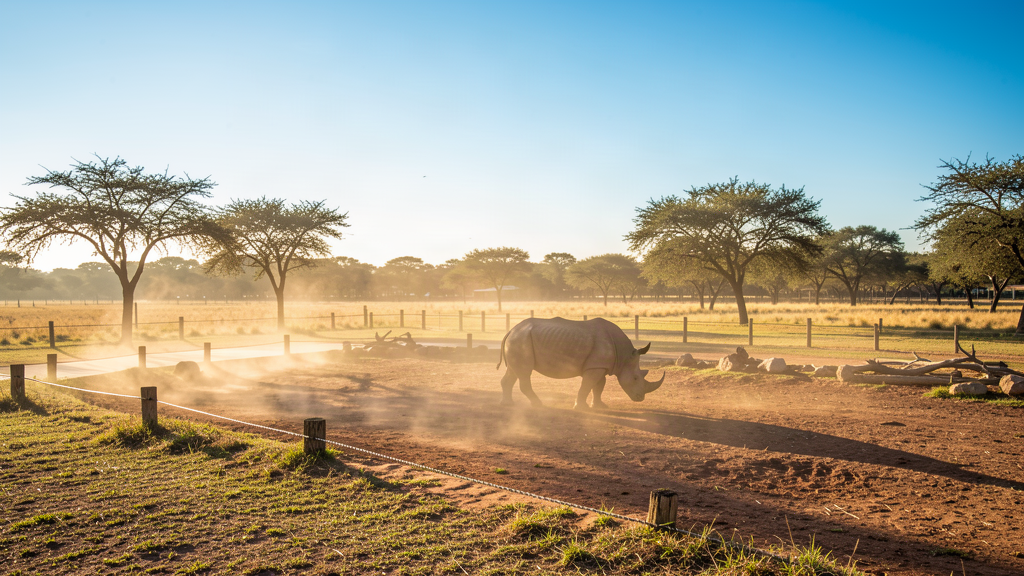
A 30-acre outdoor savanna exhibit featuring white rhinoceros, reticulated giraffe, and the elevated Savannah Lookout boardwalk that gives visitors a ranger's view of mixed-species herding behaviour.
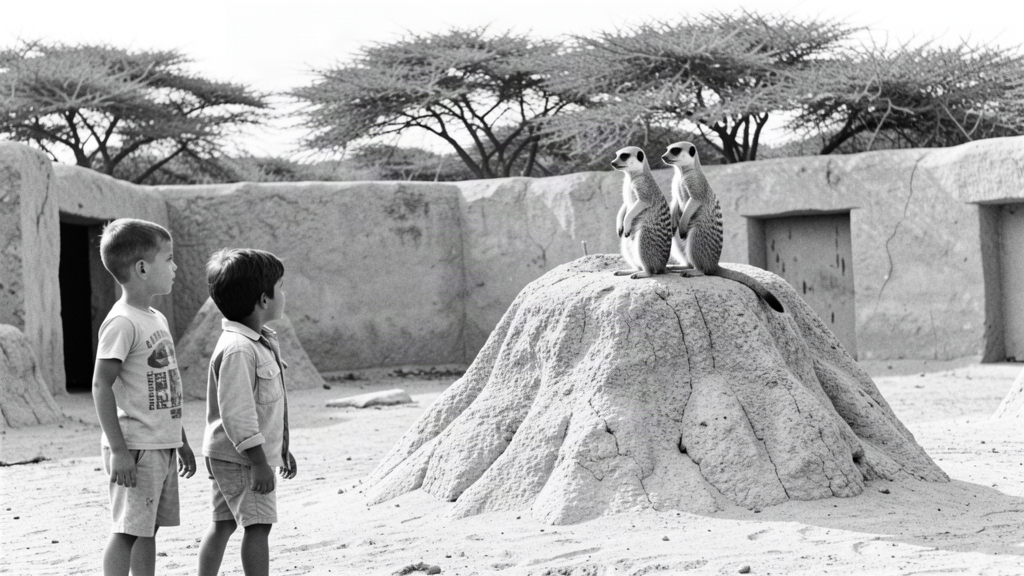
A working conservation facility built on the boreal-shield principle, with public viewing for woodland caribou, plains bison, wolverine, and rescued black bear orphans progressing toward release.
The Eurasia pavilion focuses on the temperate forest and steppe wildlife of Central and East Asia — including several endangered species that visitors almost never see in North American zoos.
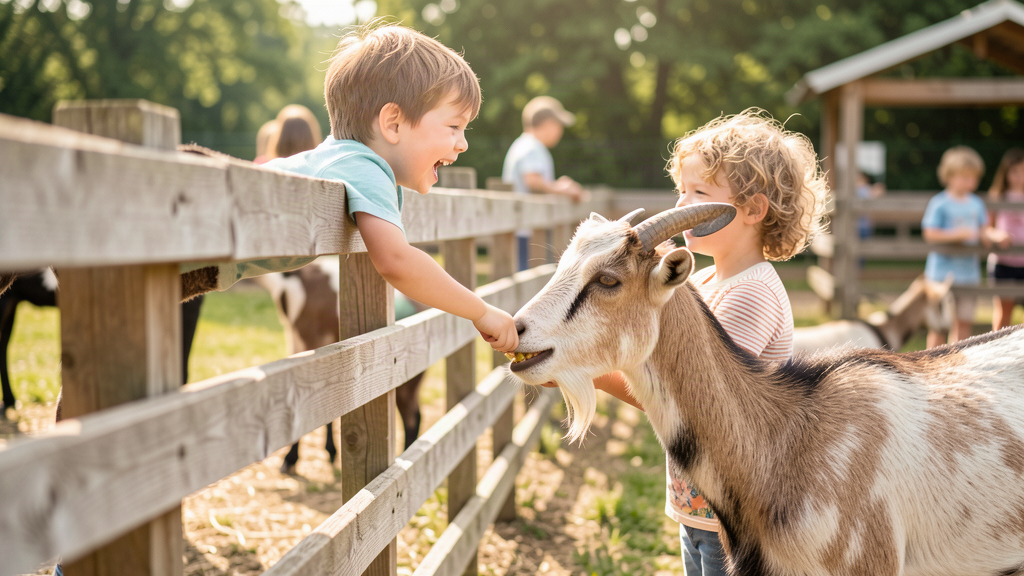
The Kids Zoo splash pad is the property's biggest single family attraction for warm-weather visits — but the property also has quieter exploration areas for under-8s during shoulder season.
Six on-site conservation programs draw direct visitor support through donations, adopt-an-animal memberships, and the Wild Encounters behind-the-scenes experiences.
Toronto's climate runs from humid continental summers to snowy winters — animal visibility and crowd levels shift dramatically. Plan around what you want to see.
Hours, tickets, transit, and family logistics for a visit that runs smoothly from arrival through closing.
Hours, prices, transit, family logistics — the questions we hear most often from GTA families planning a first visit.
Most families plan 4 to 6 hours. Visitors who intend to cover all six pavilions plus the Kids Zoo and a meal on-site should plan closer to a full day. Visitors arriving after 2 PM in summer typically cover 2 to 3 pavilions comfortably.
Yes — Kennedy Station on Line 2 (Bloor-Danforth) is the transfer point, and the 86A Meadowvale bus runs directly to the front gate. The total transit time from downtown Union Station is approximately 70 to 85 minutes including transfers.
Late May and early September are the strongest picks for GTA families — comfortable weather, open pavilions, and fewer visitors than the July-August peak. Late October adds the autumn foliage as a secondary draw. The polar bear habitat is best in winter when the outdoor paddock is at peak activity.
The current online price is generally the same as on-site. Booking ahead is recommended only when you need a specific dated time slot — the property reserves a portion of daily capacity for advance bookings, but rarely sells out except for special event days.
Toddlers and under-2s enjoy the Kids Zoo, the carousel, and the short indoor viewing galleries. Children ages 4 to 10 typically get the most out of a full day's visit. Older children and adults tend to spend the most time in the Canadian Domain and Eurasia Pavilion, where the conservation messaging is the property's deepest.
Outside food and non-alcoholic drinks are permitted. There are several picnic tables near the Kids Zoo splash pad area. Glass containers are not allowed. Several on-site kiosks and three sit-down restaurants run throughout the day inside the property.
Service animals are not allowed on the property. This is consistent with welfare protocols at most Canadian zoos — the unpredictable presence of unattended dogs and cats creates welfare risks for many species on display. Visitors with service-animal needs can contact the visitor services desk for accommodation information.
Toronto Zoo operates in rain, with the indoor pavilions (Tundra Trek, Indo-Malaya, Eurasia) functioning as full-day plans regardless of weather. In severe weather (thunderstorm warnings) the outdoor pavilions close temporarily. Days with light rain tend to see lower attendance, making it a strong weather-trade for visitors who want quieter viewing.